Beauty packaging and product design, built for what comes next.
From early concepts to 3D visualisation and retail displays, we help beauty brands develop and present new products with clarity.
Beauty Packaging & Product Design FAQs
-
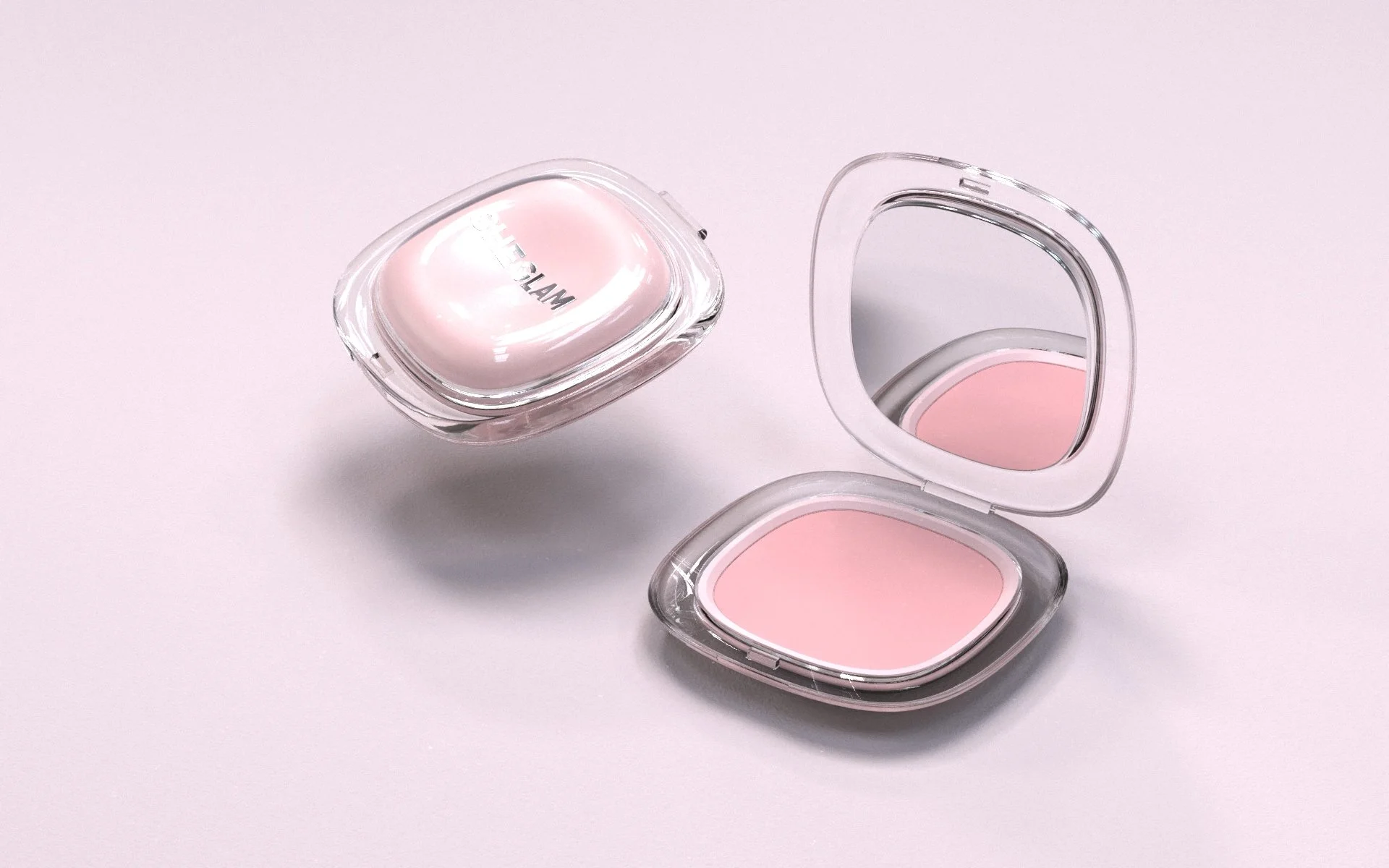
Stock packaging uses existing bottles, jars or components and is usually the fastest, lowest-risk route. Semi-custom packaging starts with stock components but adds branded colour, decoration or secondary packaging. Fully custom packaging creates a new structure or mould and normally requires more development time, tooling and higher order quantities. The right route depends on your launch stage, budget, volume and the level of differentiation you need.
-
For many early-stage brands, well-selected stock packaging is the most practical place to begin because it reduces tooling costs, lead times and inventory risk. Fully custom packaging becomes more valuable when the product requires a unique function, stronger visual ownership or larger production volumes. We compare both routes against your positioning, formula, budget, launch date and expected order quantity.
-
There is no universal minimum order quantity. MOQ depends on the component, material, decoration method, custom colour, tooling requirements and supplier. A standard undecorated bottle may have a lower minimum than a colour-matched component or custom mould. Different shades or SKUs do not always share one MOQ, so quantities should be confirmed with the selected manufacturer before artwork and production are approved.
-
The cost depends on the project scope rather than the number of images alone. Key factors include whether the packaging is stock or custom, the number of products and SKUs, structural development, 3D visualisation, prototyping, artwork and supplier coordination. We provide a tailored quotation after reviewing the brief, required deliverables, launch schedule and current stage of product development.
-
Rapid 3D visualisation can often be completed within three to five days once the necessary information is available. A focused packaging or product design project often takes around three weeks before sampling or production begins. More complex ranges, custom mechanisms, extensive stakeholder reviews, testing and supplier development require longer. We confirm a realistic schedule after assessing the scope and decision-making process.
-
No. Design can begin before a supplier is selected, and early design work can help define what the supplier must manufacture. If you already have a supplier, we can work with its specifications and limitations from the outset. In either case, the chosen manufacturer must ultimately confirm material availability, tolerances, decoration methods, tooling, dielines and production feasibility before mass production.
-
Yes. We can help identify suitable suppliers, prepare design information, compare capabilities and coordinate technical questions during development. As a London studio, we work with clients and production partners internationally. Supplier selection still depends on factors such as testing, commercial terms, quality control, lead times and logistics, while final manufacturing agreements and production approval remain between the client and supplier.
-
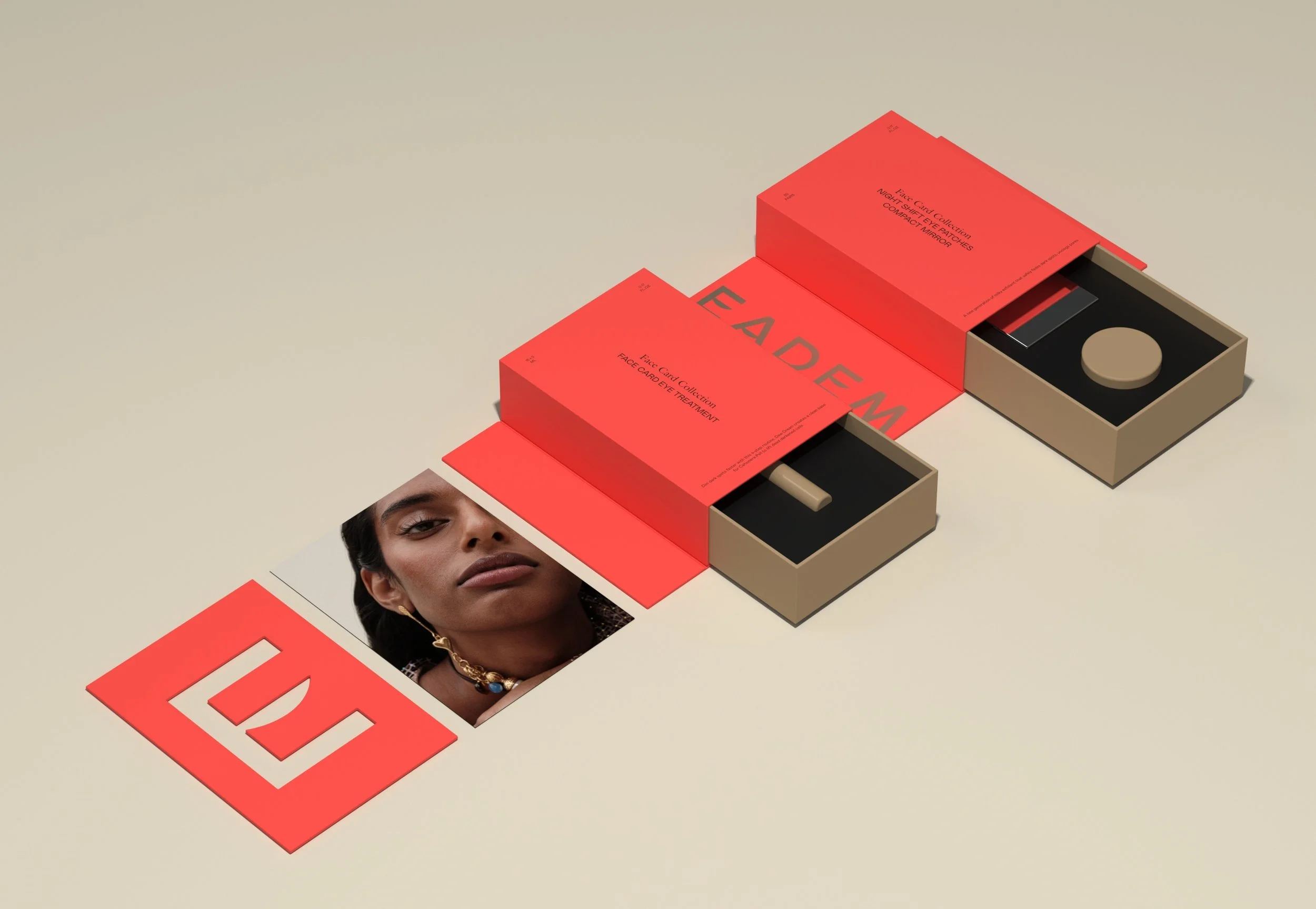
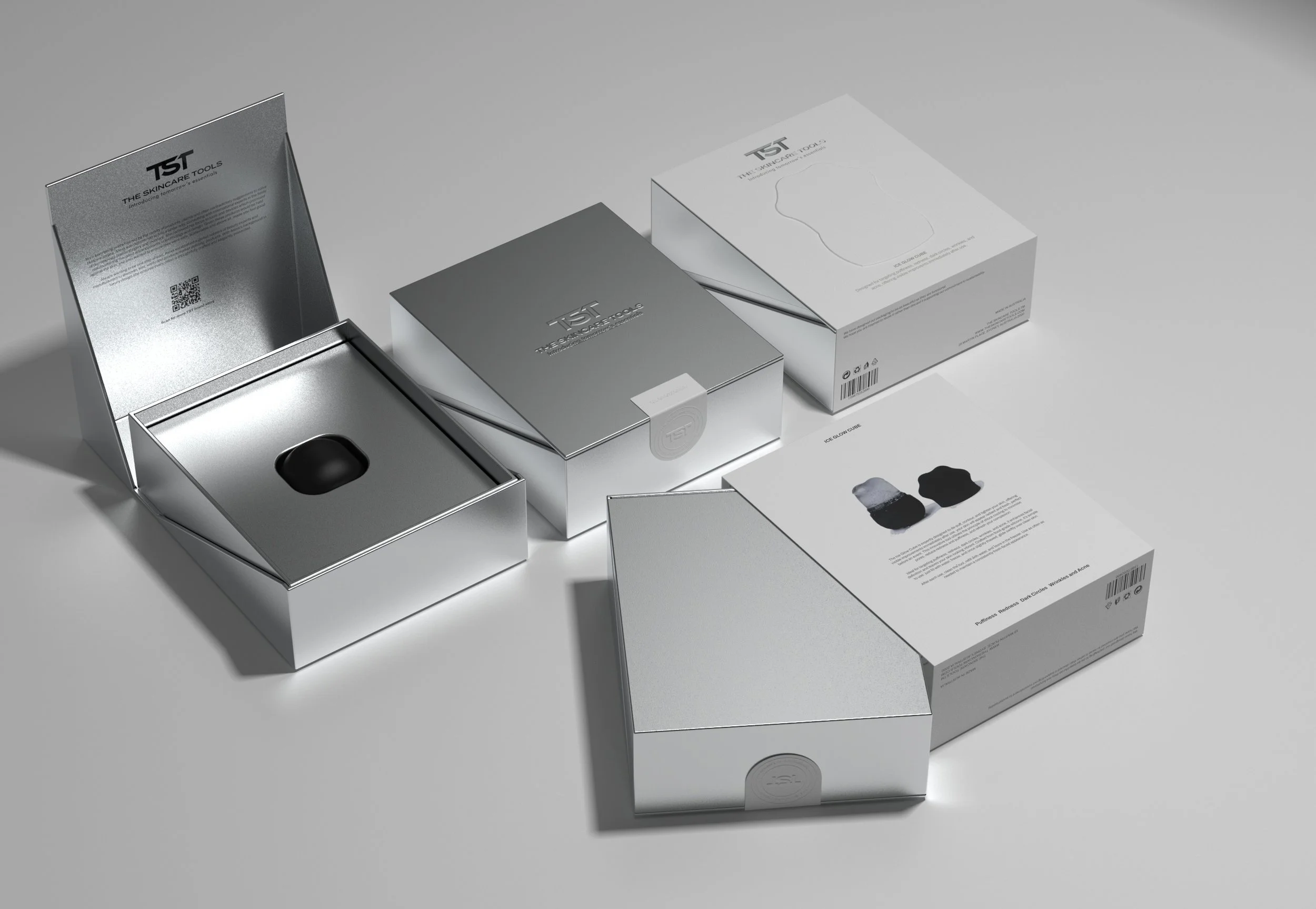
A dieline is the flat technical template used to position artwork on a carton, label, sleeve or other printed component. It shows cut lines, folds, bleed areas, safe zones and structural dimensions. The final dieline should come from, or be confirmed by, the selected manufacturer because its machinery and tolerances affect the specification. Artwork should not be approved for production against an unverified template.
-
Production-ready artwork is prepared to the manufacturer’s confirmed dimensions, print process and technical requirements. It normally includes correct bleed, colour references, image resolution, typography, finishes, white ink or varnish layers and clearly identified dielines. We prepare files in the formats agreed with the supplier, but the printer or manufacturer must complete pre-production checks and approve feasibility before production begins.
-
In most cases, yes. A 3D visual can assess form, proportion and brand presentation, but it cannot fully prove colour, material behaviour, print quality, closure performance or formula compatibility. Depending on the project, the appropriate check may be a prototype, decorated sample, tooling sample or pre-production sample. Final samples should be reviewed and approved with the manufacturer before committing to the full production run.
-
Compatibility cannot be confirmed from appearance or material name alone. The filled formula should be tested in the intended packaging under appropriate conditions to assess leakage, discolouration, corrosion, evaporation, deformation and dispensing performance. We can design around functional requirements and coordinate packaging information, but compatibility and stability testing should be defined and approved by the formulation laboratory, manufacturer and qualified technical advisers.
-
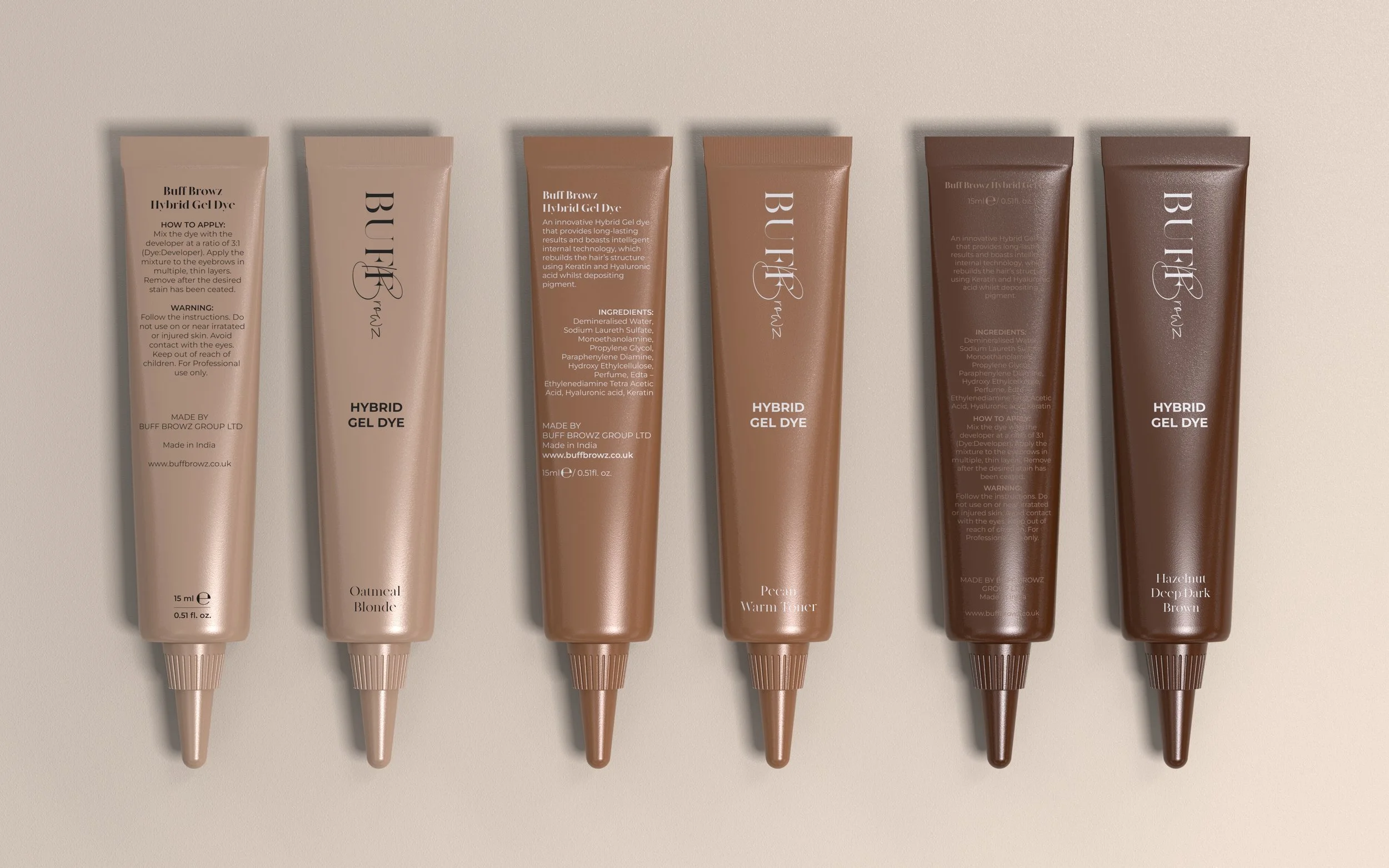
The most useful inputs are CAD files or accurate technical drawings, together with dimensions, artwork, colour references, material and finish specifications. If CAD is unavailable, we can assess supplier drawings, measurements and reference photographs to determine what can be modelled reliably. Clear direction on camera angles, backgrounds, image formats and intended uses also helps us scope the work and avoid unnecessary revisions.
-
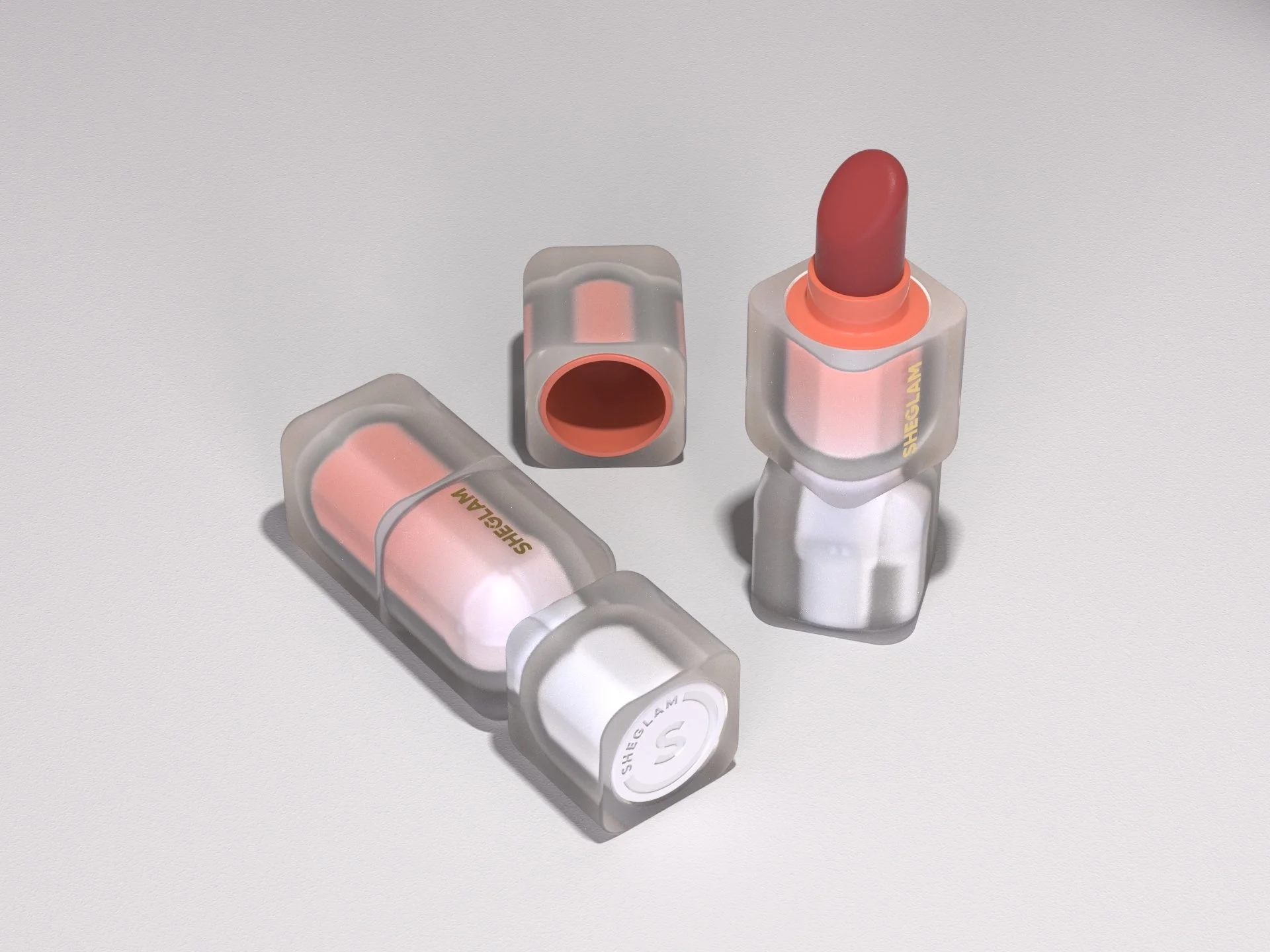
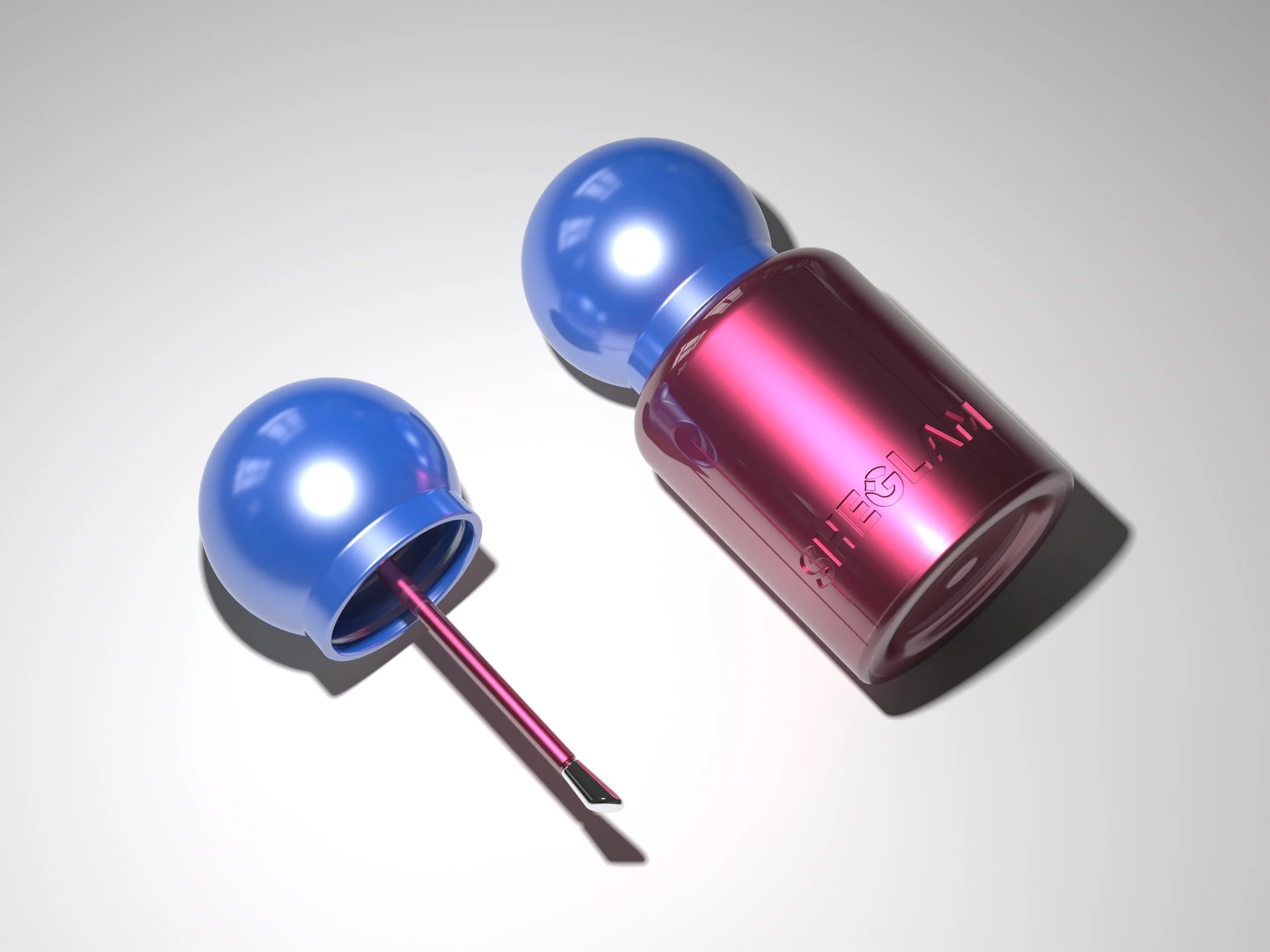
A 3D render is a digitally created image of the proposed product. A mockup communicates appearance and scale but may not use final materials or function correctly. A prototype tests selected physical or mechanical aspects of the design. A production sample is made through, or closely represents, the intended manufacturing process. Each answers different questions, so one should not automatically replace the others.
-
It can replace photography for many launch, e-commerce and presentation needs, particularly when the product has not yet been manufactured or when multiple variants are required. Rendering also gives precise control over lighting, camera angle and finish. Photography may still be preferable when authentic material variation, filled-product behaviour or human interaction is important. Many brands use both formats for different parts of a campaign.
-
Yes, when the master model, materials and artwork system are planned correctly. The same asset can often support colour or shade variants, e-commerce images, retailer presentations, campaign compositions and selected social content. New angles and formats may still require additional rendering work, and major packaging changes require model updates. Establishing intended uses at the briefing stage makes the asset more flexible and cost-effective.
-
A scalable packaging system defines what remains constant and what changes across the range. Shared elements may include form, typography, logo position, materials and hierarchy, while colour, naming or coded details distinguish products. We test the system across representative SKUs rather than designing only one hero pack, helping the range remain recognisable, easy to navigate and practical to extend as new products are introduced.
-
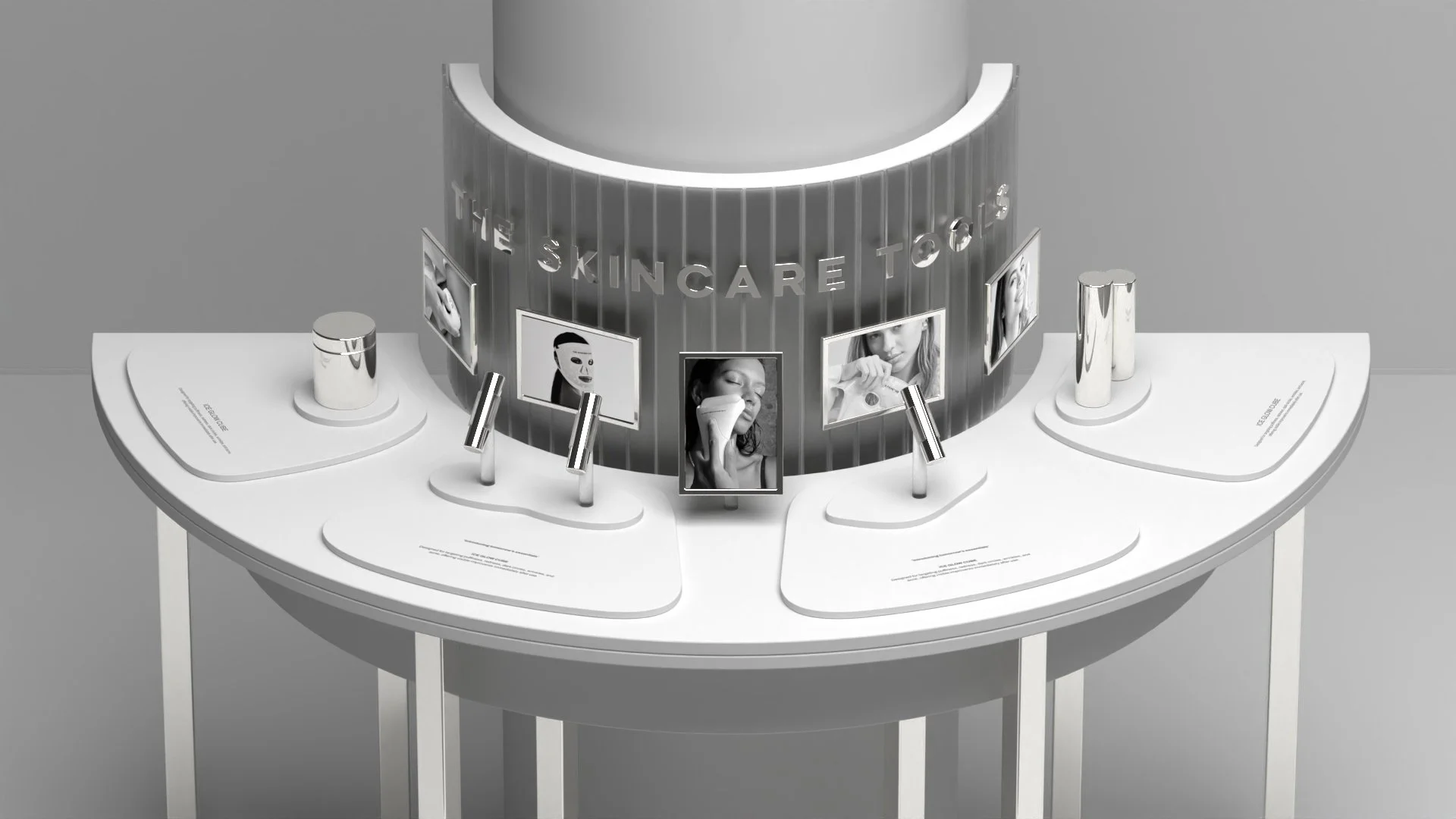
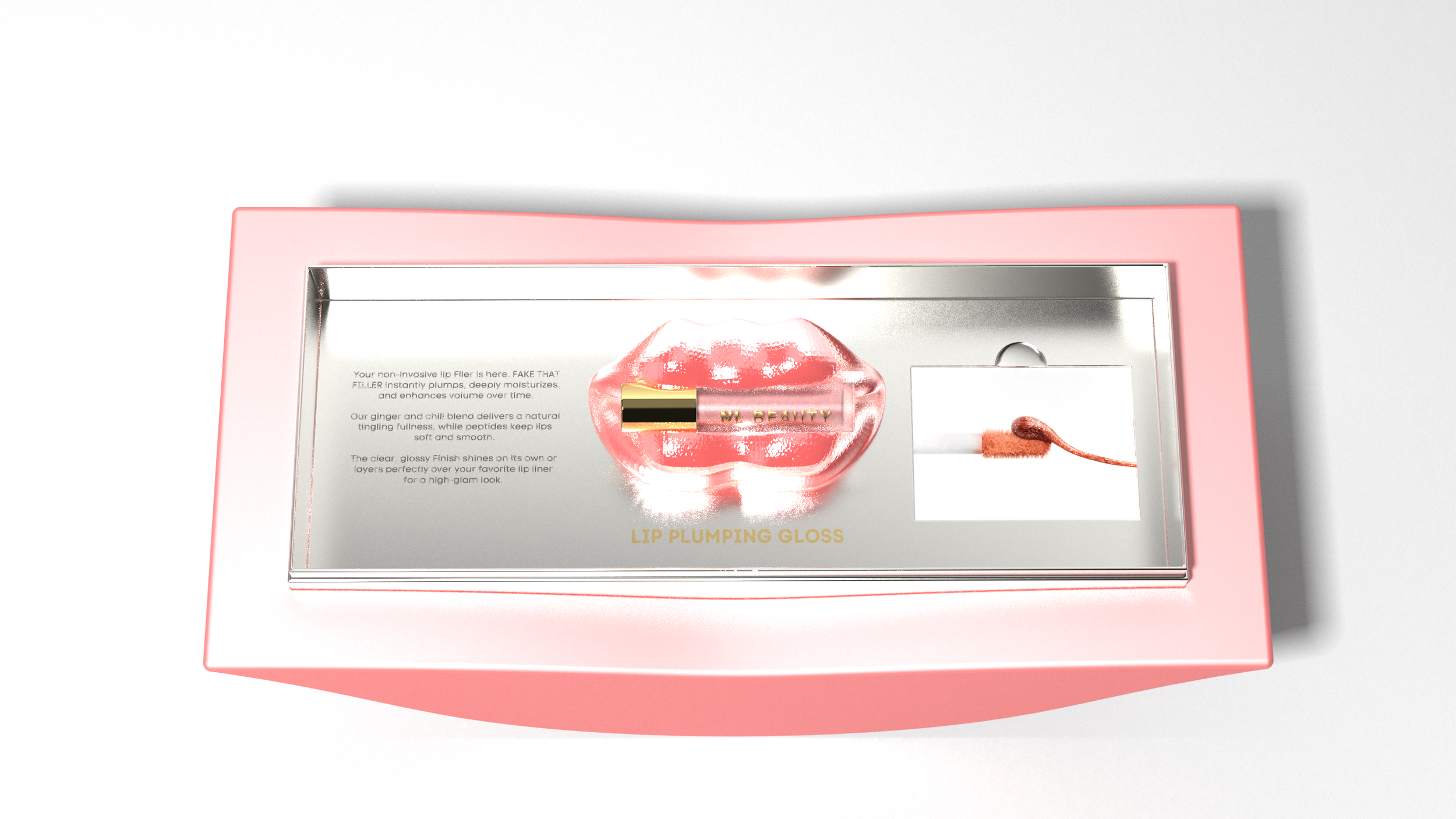
A useful retail brief should include the retailer and store environment, available dimensions, product assortment, tester requirements, stock quantities, customer journey, brand guidelines, budget, rollout volume and installation date. Retailer technical rules and fabrication constraints are equally important. We can develop countertop displays, presentation units and broader retail concepts, then coordinate the design information with the relevant fabricator or production partner.
-
Requirements can include the Responsible Person’s name and address, nominal content, durability information, precautions, batch identification, product function, ingredients and country of origin where applicable. The exact requirements depend on the product and how it is supplied. We can accommodate approved copy within the design, but the brand’s Responsible Person and qualified regulatory adviser must confirm the final wording, claims and compliance before sale.
-
Begin with what is known: the product type, formula format, pack size, target customer, positioning, sales channels, launch ambition and any budget or timing constraints. CAD files and a physical prototype are not required for an initial conversation. Early concepts can be developed first, with dimensions, engineering and manufacturing feasibility verified as suppliers and technical partners become involved.
-
Every project is scoped around its actual needs. Deliverables may include creative direction, packaging or product concepts, artwork, 3D visualisation, presentation imagery and supplier coordination. Structural engineering, physical prototyping, compliance review and manufacturing are separate unless specifically agreed. The proposal states what is included, how concepts and revisions will be handled, and which final files will be supplied.